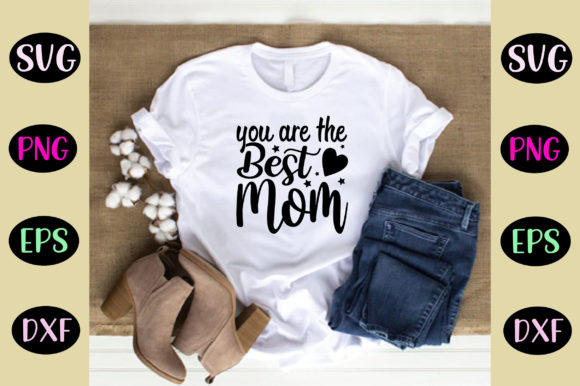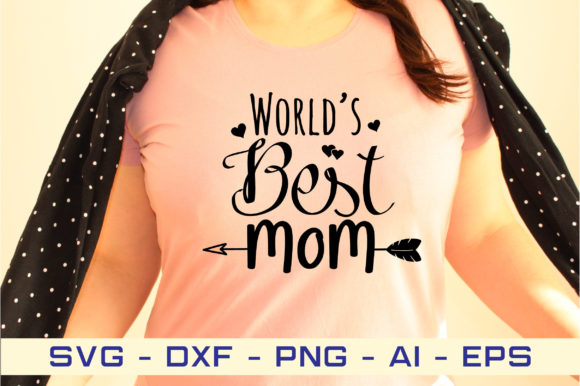
Reviewing the World’s Best Mom SVG for Embroidery
As a designer who spends half my life staring at digitized paths and the other half pulling threads out of bobbin jams, I approach every new digital embroidery file with a healthy dose of skepticism. We have all been there: you download a cute graphic, load it onto your machine, and watch in horror as the needle creates a bird’s nest of thread because the underlying vector was never meant for fabric. Today, I am taking a close look at the World’s Best Mom Svg Cut File to see if it holds up not just as a cut file for vinyl, but as a viable asset for real-world stitching projects.
First Impressions and Design Personality
When I first opened the zip folder, my immediate observation was about the structure. The product description highlights "Word By Layer Svg Files," which is a crucial detail for any serious crafter. In the world of Crafts and digital Graphics, layering is everything. For a vinyl cutter, this means easy weeding. For an embroiderer, this implies a design that is likely composed of distinct, separable elements rather than one massive, dense block of shapes.
The mood of the phrase "World’s Best Mom" is inherently warm, celebratory, and classic. It does not try to be overly trendy or abstract, which is actually a strength. Classic typography tends to age better on handmade products. The visual personality feels approachable and sincere, making it a natural fit for personalized gifts where emotional connection matters more than avant-garde aesthetics. However, because this is originally an SVG intended for cutting machines like Cricut, the lines are clean and sharp. This is good for clarity, but it requires careful translation when moving from a flat cut material to the textured dimensionality of thread.
Real-World Application: The Tote Bag Test
To evaluate this properly, I imagined a specific scenario: a custom order for a local boutique selling eco-friendly goods. The client wanted a batch of canvas tote bag designs for Mother’s Day. This is a high-stakes environment because canvas is thick, unforgiving, and shows every imperfection in stitch density.
If I were to use the World’s Best Mom Svg Cut File as a reference for creating or adapting an embroidery pattern, the "word by layer" aspect becomes a strategic advantage. I could assign different thread colors to each word, creating a subtle gradient effect or highlighting the word "Mom" in a contrasting hue. This adds depth without increasing complexity. On a tote bag, the design needs to be bold enough to be read from a distance but refined enough to look professional up close. The simplicity of the text-based design works in its favor here, avoiding the clutter that often plagues more complex applique design concepts.
Apparel and Soft Goods Considerations
Moving beyond bags, let’s consider sweatshirt embroidery. A fleece or cotton-blend sweatshirt is a popular item for custom apparel. Here, the texture of the fabric interacts differently with the design. If the SVG translates into a design with heavy fill stitch areas, it could cause the fabric to pucker. Since this is a text-based graphic, the risk is lower, provided the font weight is appropriate. Thin, spindly letters might get lost in the pile of the fleece, while overly bold letters might feel stiff against the skin.
For baby embroidery items, such as onesies or burp cloths, softness is paramount. A design like this would need to be scaled down significantly. The challenge with small-scale text is legibility. If the "World’s Best Mom" text is reduced too much, the details between letters may merge. I would recommend testing this at various sizes on scrap fabric to find the sweet spot where the characters remain distinct without requiring excessive stitch density that could irritate sensitive skin.
Navigating Technical Challenges
It is important to address the elephant in the room: this product is sold as an SVG cut file, not a native embroidery format like PES or DST. This means you cannot simply plug it into your embroidery machine. You must use software to convert the vector paths into stitches. This conversion process is where the magic—or the disaster—happens.
When converting this digital embroidery file source, pay close attention to corner handling. Sharp corners in an SVG can result in thread bunching if not properly smoothed out in your digitizing software. You may need to adjust the underlay stitches to ensure stability, especially if you are working with stretchy fabrics like jersey knits for t-shirts. Using the right stabilizer is non-negotiable here. A cut-away stabilizer is often best for garments that will be washed frequently, ensuring the finished product maintains its shape and the text does not distort over time.
Also, consider the hoop size. While the design itself might be small, you need enough margin around the text to secure the fabric properly. If you are stitching on a curved surface like a cap, the placement becomes even more critical. The center of the design must align perfectly with the center of the cap panel to avoid visual distortion.
Commercial Viability and Brand Trust
For Etsy sellers and small shop owners, the perceived value of a product is tied directly to its execution. A cleanly stitched "World’s Best Mom" design signals professionalism. It tells the customer that care was taken in the production process. Conversely, loose threads, puckering, or misaligned layers can damage brand consistency and reduce buyer engagement.
This design fits well into the category of evergreen holiday embroidery and gift items. Mothers’ Day is a peak season, but the sentiment is year-round. By using a versatile design like this, you can create a range of products—from embroidered patch additions for jackets to simple tea towels—that appeal to a broad audience. The key is consistency. If you use this design across multiple product lines, ensure the color palette aligns with your brand identity. A cohesive look helps build recognition and trust among your customers.
Practical Designer Notes
Before you commit to a large production run or list this as a new item in your store, follow these practical steps:
- Test on Scrap Fabric: Always stitch a sample on the exact same material and weight you plan to use for the final product. Fabric behavior varies wildly.
- Check Thread Contrast: View your design in black and white mockups. If the design disappears in grayscale, it lacks sufficient contrast and may not read well from a distance.
- Verify Licensing: The product description states it is a digital download with SVG files. Ensure you understand the license terms for commercial use. Some creators allow you to sell physical items made with their designs, while others restrict it. Clarify this before listing your small shop product.
- Inspect Small Details: Zoom in on your digitized version. Are there unnecessary jump stitches? Are the entry and exit points optimized to minimize trimming?
- Consider Fabric Texture: On textured fabrics like terry cloth or denim, you may need to increase the stitch count slightly to ensure coverage, but be wary of creating a stiff patch.
In conclusion, the World’s Best Mom Svg Cut File offers a solid foundation for creative projects, provided you approach it with the mindset of a translator rather than just a user. By understanding the nuances of converting vector graphics into textile art, you can elevate a simple cut file into a high-quality commercial embroidery asset that delights customers and stands the test of time.